
Of all the maintenance jobs you could skip on a busy week, an oil change feels like the easiest one to put off. It\’s quick, it\’s routine, and the car still drives fine without it — for a while. But engine oil is doing far more work than most drivers realise, and delaying changes is one of the most common ways a car ends up with an expensive engine repair bill.
What Engine Oil Actually Does
Engine oil isn\’t just there to make things slippery. It performs several critical jobs at once:
- Lubricates moving metal parts to reduce friction and wear
- Carries heat away from the engine\’s internals
- Suspends dirt and metal particles so they can be filtered out
- Helps seal the gap between piston rings and cylinder walls
- Protects against corrosion inside the engine
Over time and use, oil breaks down. It loses viscosity, picks up contaminants, and becomes less effective at all of the jobs above — even if the level on the dipstick still looks fine.
What Happens When Oil Changes Are Delayed
Old, degraded oil doesn\’t protect your engine the way fresh oil does. The most common consequences of delayed oil changes include:
- Increased friction and faster wear on internal engine components
- Sludge build-up, which can block oil passages
- Reduced fuel efficiency as the engine works harder
- Higher operating temperatures
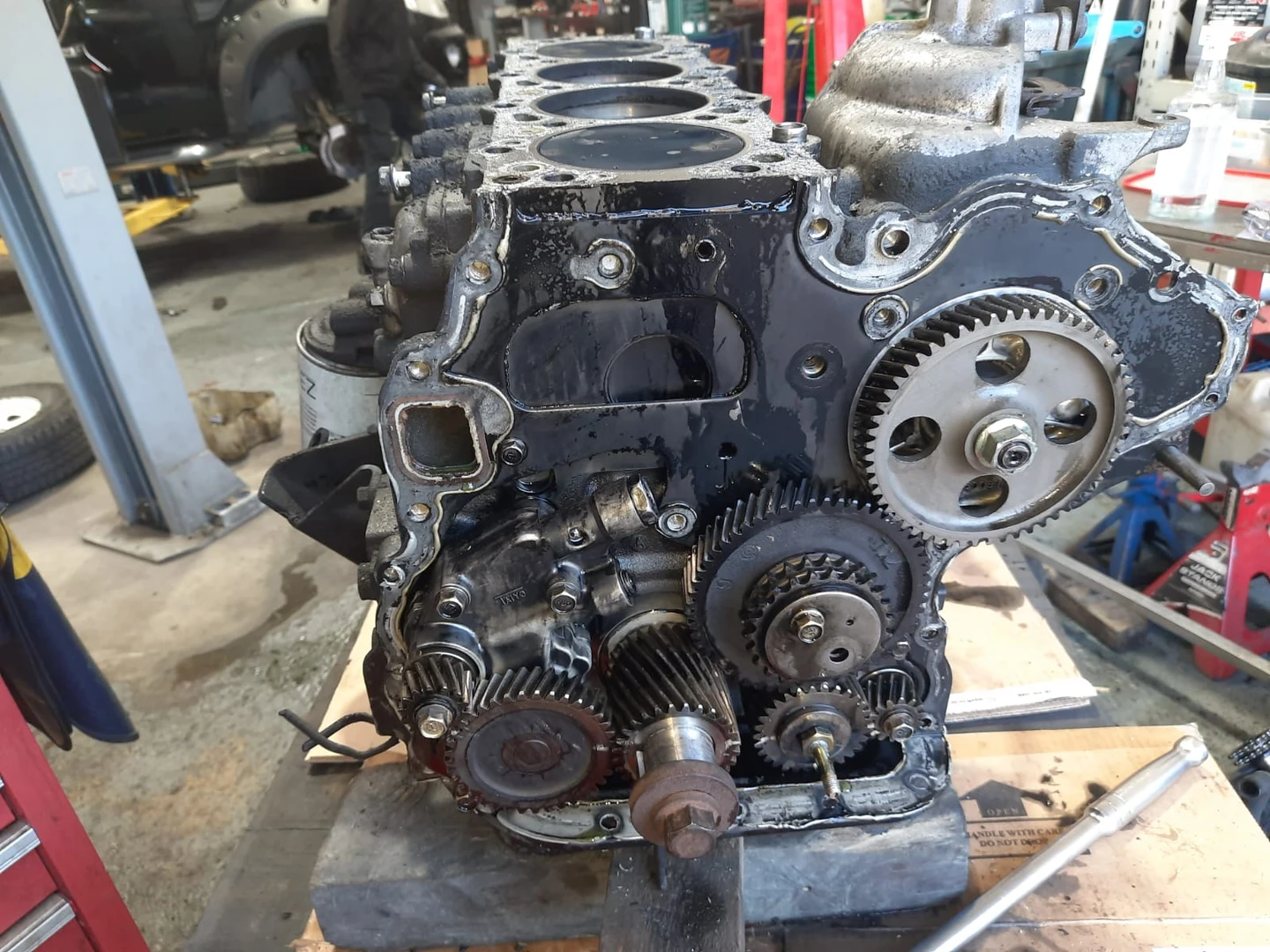
- In severe cases, complete engine failure
An engine rebuild or replacement can cost many times more than years\’ worth of routine oil changes combined. That\’s the maths that makes this one of the highest-value maintenance habits you can keep.
How Often Should Oil Actually Be Changed?
This varies by vehicle, oil type, and driving conditions:
- Conventional oil: generally every 5,000–8,000km
- Synthetic oil: generally every 10,000–15,000km
- Heavy stop-start driving or towing: more frequent changes recommended
Your vehicle\’s handbook will list the manufacturer\’s specific recommendation, and it\’s worth following that as the baseline.
Signs Your Oil Needs Changing Sooner
- Oil on the dipstick looks dark, gritty, or thick rather than clear amber
- The engine sounds louder or rougher than normal
- The oil change reminder light is on
- You notice a burning oil smell
Frequently Asked Questions
Does the type of oil actually matter?
Yes. Using the oil grade and type specified by your manufacturer matters for both performance and warranty compliance. Synthetic oils generally last longer and offer better protection in extreme temperatures.
Can I just top up oil instead of changing it?
Topping up addresses low oil level, but it doesn\’t restore the oil\’s lubricating properties once it has degraded. Both are needed at different times.
Is it true that modern engines need oil changes less often?
Generally yes — synthetic oils and improved engine design have extended service intervals compared to older vehicles, but \”less often\” still means on a defined schedule, not indefinitely.
Stay Ahead of Engine Wear
A simple oil change today is far cheaper than an engine repair down the line. The team at Galeeco Automotive can advise on the right oil type and interval for your specific vehicle and driving habits.